
One-to-one · Players aged 10–18
Total Player Mentorship gives players structured one-to-one support to work on confidence, pressure, feedback and communication — then apply them where they actually play.
What parents notice
These are things parents often see but struggle to name.
If several feel familiar, mentorship may be worth a conversation.
01
02
03
04
05
06
07
08
09
Often, these are not ability problems.
They are development problems — and they can be worked on.

“We have seen Violet become more self-aware, more confident and better equipped to step into new environments that previously may have held her back.”
Melissa Rawlinson, parent
Levels of support
From $250/month, depending on the level of support.
One 60-minute session a month
For players who benefit from regular reflection, guidance and a place to make sense of their development.
Two 60-minute sessions a month
For players navigating more demanding environments and needing more frequent feedback, reflection and accountability.
Four 60-minute sessions a month
For players regularly operating in high-pressure or evaluative environments who benefit from continuous preparation, feedback and support.
Higher frequency creates greater depth.
It does not mean racing through more modules.
The process
Start with the player, not a template.
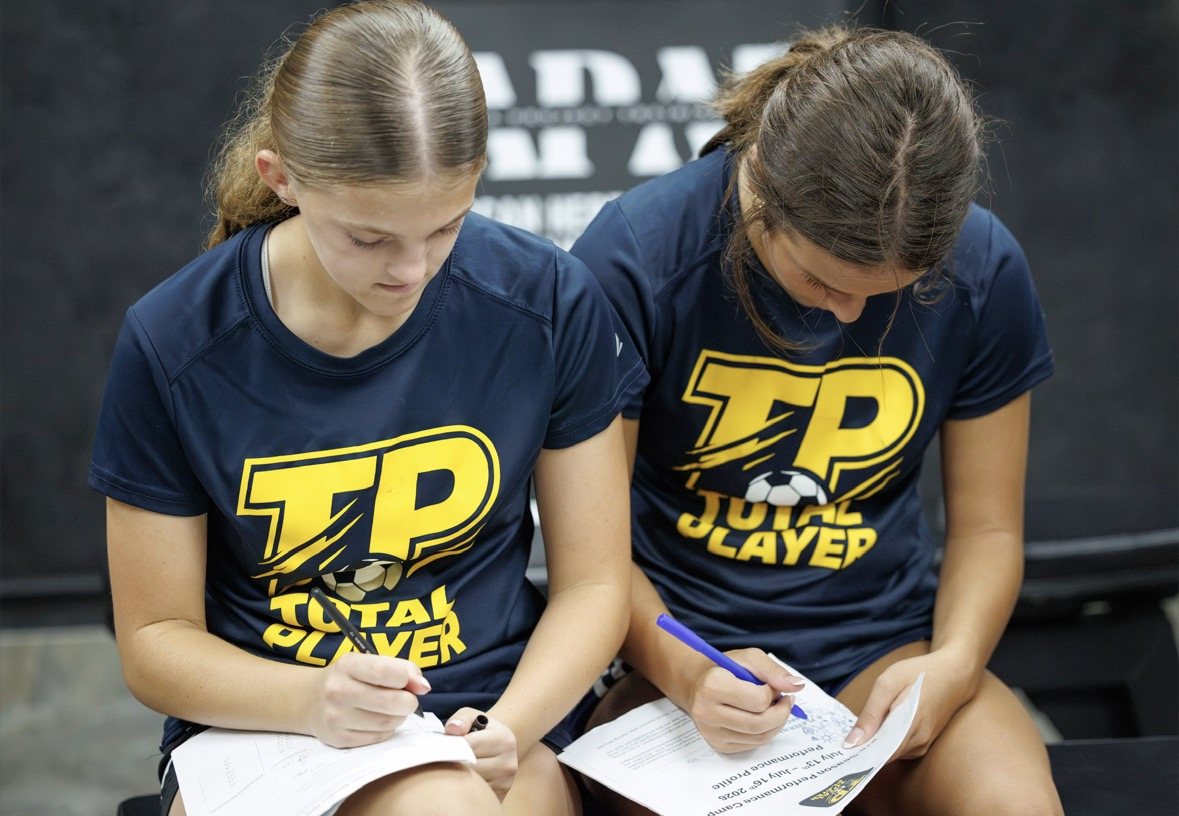
01
We talk through what you are seeing.
02
We look at the player in their own environment.
03
We agree no more than two priorities.
04
A plan built around this player, not a template.
05
Regular one-to-one work around those priorities.
06
The work has to show up at training and in games. That is the point.
07
We look at what has changed and adjust.
Each 3-month Development Cycle ends with a formal review.
Parent perspective
Player voice
Strength Profile, in the player’s own words
All Four Corners
No more than two priorities
A personalized curriculum
A Feedback Report that is yours to keep
A recommended level
The player keeps changing.
The work should too.
The curriculum
There is real structure behind the work.
Six themes sit behind every mentorship plan. Each theme contains individual modules, and your player’s modules are chosen after the Initial Assessment, based on what they need right now.
Know your strengths, your potential and what is in your control.
Respond to mistakes, nerves and big moments without losing the next action.
Build the habits, standards and consistency coaches rely on.